In a remarkable turn of events, under the presidency of President Diomaye Faye, Senegal finds itself in a unique situation with two first ladies residing at the presidential palace, shedding light on the enduring practice of polygamy in the country. Polygamy, deeply rooted in Senegalese culture, holds significant historical and traditional value, reflecting the complexities of societal norms and family structures. This situation not only highlights the cultural richness of Senegal but also sparks discussions on the intersection of tradition and modernity in a rapidly evolving society.
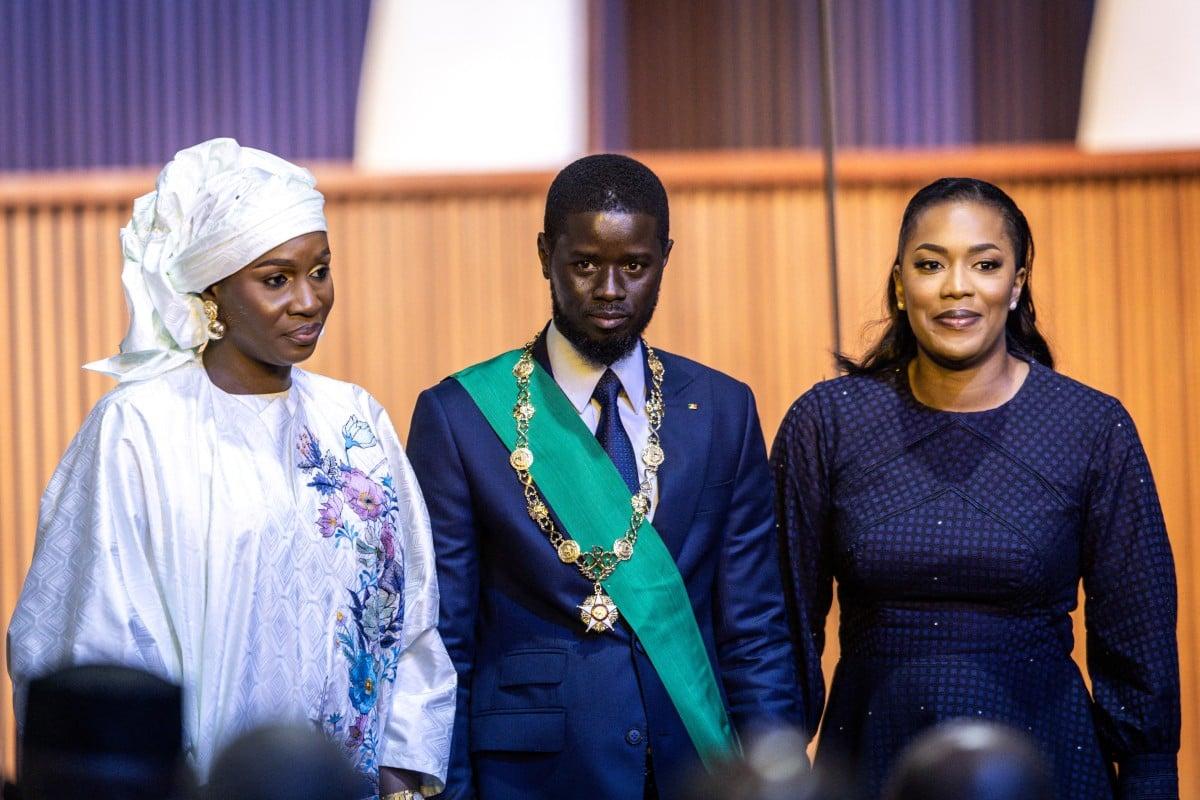
The presence of two first ladies at the presidential palace offers a glimpse into the diverse perspectives on polygamy within Senegalese society. While some view polygamy as a symbol of tradition and cultural heritage, others raise concerns about gender equality and human rights implications. This juxtaposition of viewpoints underscores the ongoing dialogue surrounding polygamy in Senegal, where discussions about family dynamics, gender roles, and societal norms intersect with political and cultural landscapes.
As Senegal navigates this unprecedented scenario with two first ladies, the country grapples with the intricate balance between tradition and progress. The coexistence of multiple first ladies in the presidential palace reflects not only the complexities of polygamous relationships but also the evolving dynamics of gender equality and social norms. This situation serves as a poignant reminder of the rich tapestry of Senegalese culture, where tradition and modernity converge, inviting reflection on the diverse perspectives and values that shape the country's social fabric.
In conclusion, it will be intriguing to observe how these two first ladies, Khone and Absa, will collaborate in their roles at the presidential palace, marking a significant departure from tradition and sparking discussions on the dynamics of polygamy in Senegal's political landscape.
.png&w=3840&q=75)