10 Must-Visit Places in Rwanda: Complete Travel Guide | PlusAkili
Travel
10 Must-Visit Places in Rwanda: Complete Travel Guide
Discover the 10 best places to visit in Rwanda — from gorilla trekking in Volcanoes National Park to Lake Kivu, Kigali, Nyungwe Forest, and beyond. Your complete Rwanda travel guide.
Rwanda, known as the "Land of a Thousand Hills," is one of Africa's most stunning and captivating destinations. This small, landlocked country in the heart of Central Africa punches well above its weight when it comes to natural beauty, wildlife, culture, and warm hospitality. From misty volcanic mountains sheltering endangered mountain gorillas to pristine rainforests, shimmering lakes, and vibrant city life, Rwanda offers travelers an extraordinary range of experiences. Whether you're a nature lover, adventure seeker, or cultural enthusiast, Rwanda has something unforgettable waiting for you. Here are 10 must-visit places that should be on every traveler's Rwanda itinerary.
1. Volcanoes National Park
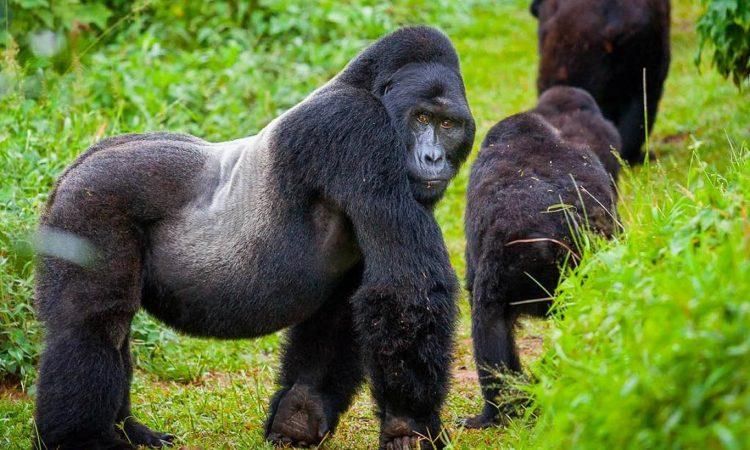
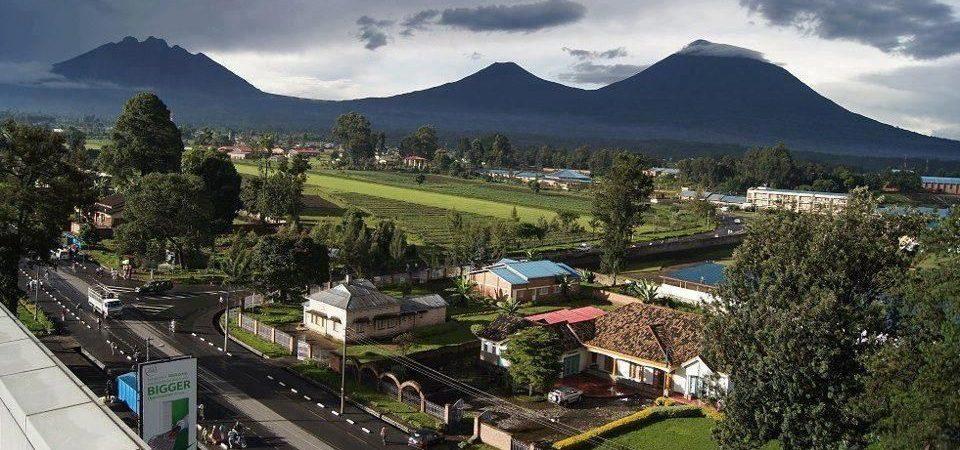
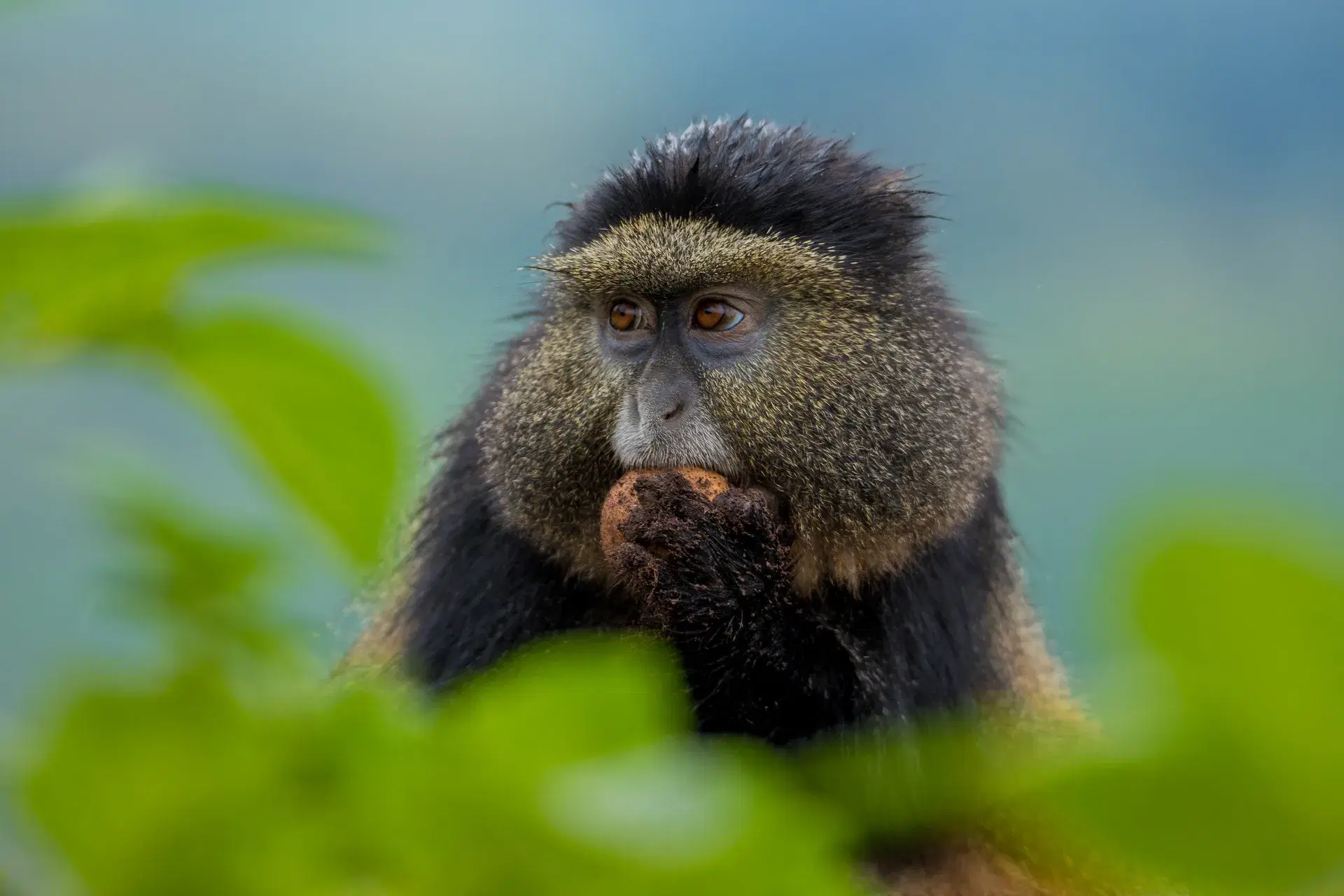
Arguably Rwanda's most iconic destination, Volcanoes National Park is the crown jewel of the country's tourism. Nestled in the dramatic Virunga Massif — a chain of volcanoes straddling Rwanda, Uganda, and the Democratic Republic of Congo — this park is world-famous as home to the critically endangered mountain gorilla. Around 600 of these magnificent, gentle creatures live on the Rwandan side of the Virungas. Gorilla trekking here is a once-in-a-lifetime experience: small guided groups spend a precious hour just a few feet away from gorilla families as they go about their daily lives. Beyond gorillas, the park also offers guided hikes up volcanoes like Bisoke and Karisimbi, visits to the grave of legendary primatologist Dian Fossey, and golden monkey tracking. The landscapes of bamboo forests, mist-laden peaks, and lush greenery are breathtaking at every turn.
2. Kigali
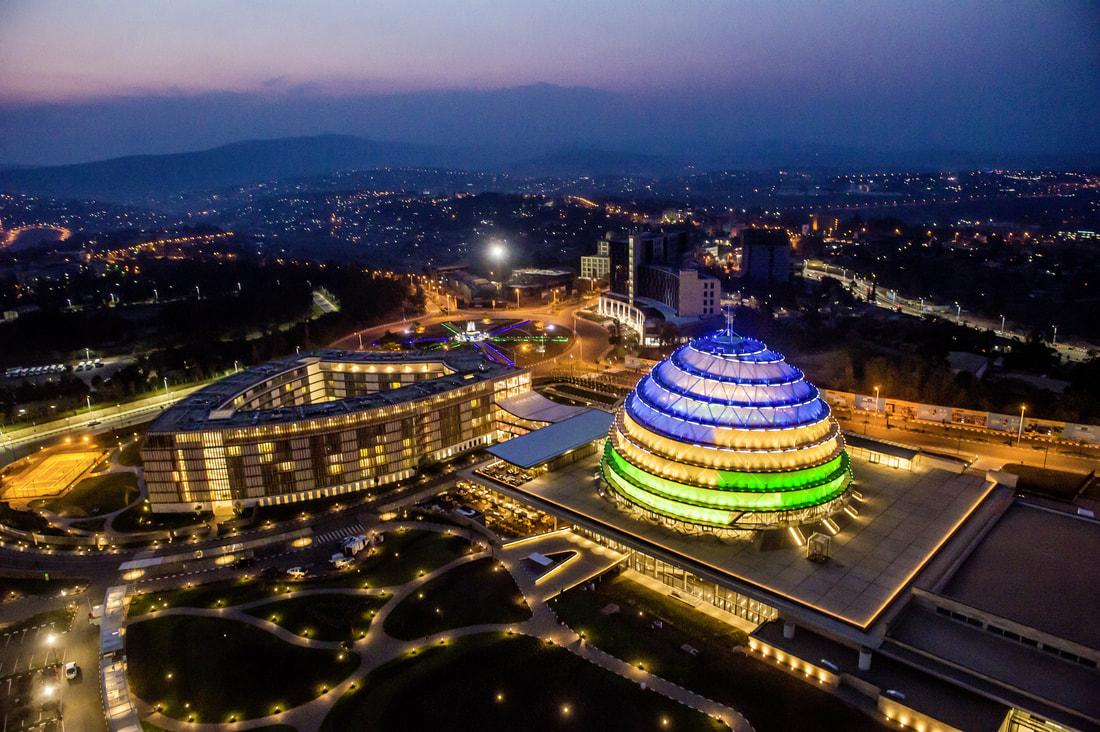
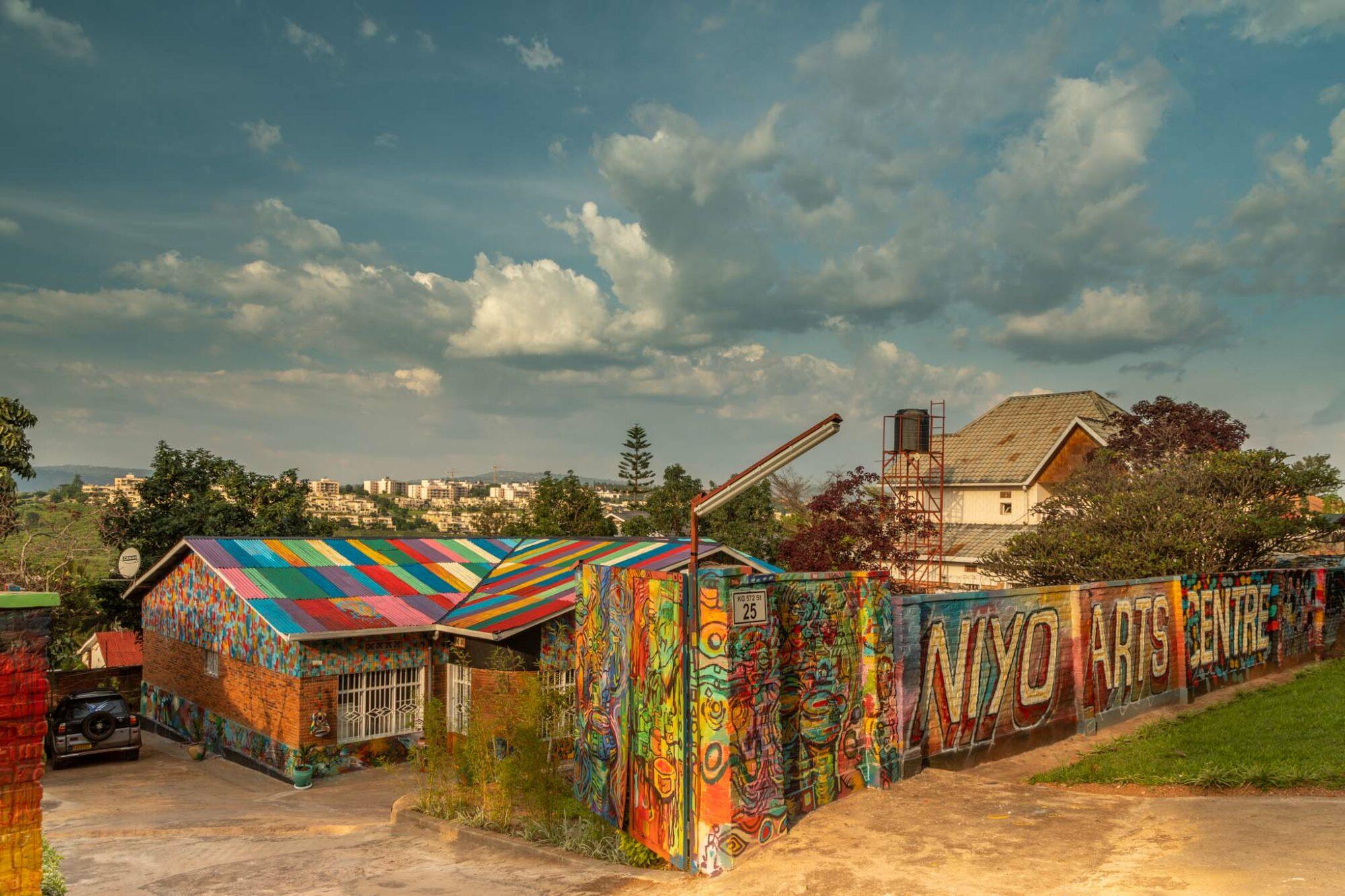
Rwanda's capital, Kigali, is one of Africa's most dynamic, modern, and welcoming cities. Often described as "pleasantly low key yet progressive," Kigali surprises first-time visitors with its cleanliness, safety, and cosmopolitan energy. The city has been plastic-bag-free since 2008 and is consistently ranked among Africa's cleanest cities. Key highlights include the sobering Kigali Genocide Memorial at Gisozi, where 250,000 victims of the 1994 genocide are buried, offering an essential and moving historical education. The Rwanda Art Museum (formerly the Presidential Palace Museum) showcases contemporary Rwandan and international art. Beyond culture, Kigali offers excellent restaurants, vibrant nightlife, bustling markets, and the lively Kigali Cultural Village where local artisans, food vendors, and musicians gather. The city's hilly topography also makes for scenic strolls and drives.
FAQ
Where is the best place to see mountain gorillas in Rwanda?
Volcanoes National Park, home to around 600 mountain gorillas, is the top destination for gorilla trekking, offering small guided groups an hour with a gorilla family in the Virunga Massif.
Can you see the Big Five on safari in Rwanda?
Yes. Akagera National Park is one of the few places in Central Africa where visitors can spot the Big Five, after lions were reintroduced in 2015 and rhinos were brought back as part of a successful conservation program.
Is Kigali safe and clean for tourists?
Yes. Kigali is consistently ranked among Africa's cleanest and safest capital cities, and it has been plastic-bag-free since 2008, making it a comfortable base for exploring Rwanda.
Discover the 10 best places to visit in Rwanda — from gorilla trekking in Volcanoes National Park to Lake Kivu, Kigali, Nyungwe Forest, and beyond. Your complete Rwanda travel guide.
Key Takeaways
Rwanda is home to over 600 mountain gorillas in Volcanoes National Park.
Kigali is one of Africa's cleanest and safest capital cities.
Nyungwe National Park houses one of the largest chimpanzee populations in Africa.
Akagera National Park is home to the Big Five after successful wildlife reintroduction.
Lake Kivu offers stunning beach resorts along Africa's Great Rift Valley.
Rwanda banned plastic bags in 2008, making it one of the greenest countries in Africa.
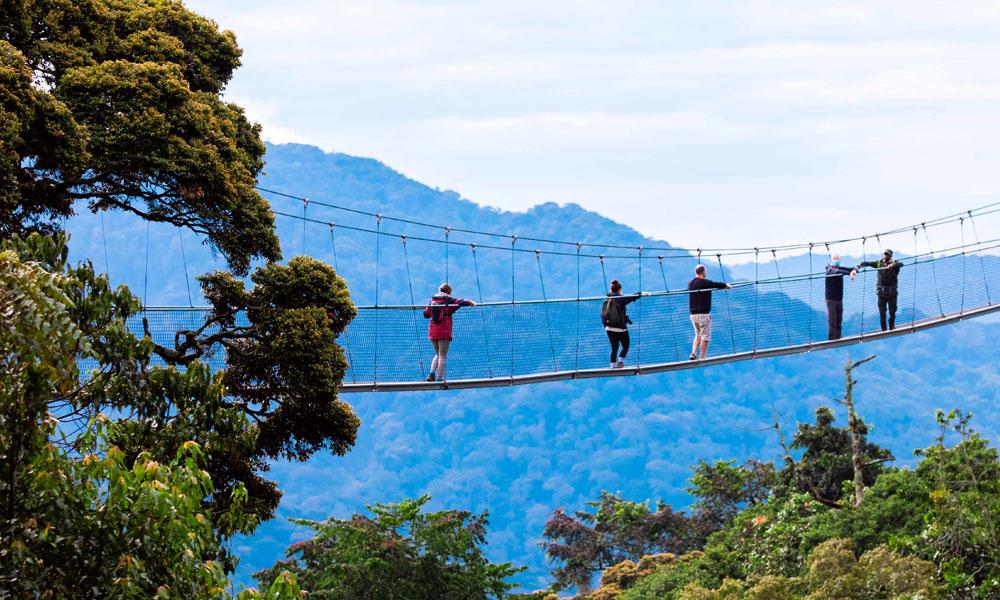
Located in southwestern Rwanda, Nyungwe National Park is one of the oldest rainforests in Africa and one of the continent's most biodiverse ecosystems. Spanning over 1,000 square kilometers of mountainous terrain, this ancient forest is home to an estimated 500 chimpanzees — one of the largest populations on the continent — along with 12 other primate species including colobus monkeys, L'Hoest's monkeys, and baboons. Nyungwe is also a paradise for birdwatchers, with over 300 bird species recorded within the park. One of the park's most thrilling attractions is its canopy walkway — suspended above a ravine in the lush montane rainforest, it provides an exhilarating perspective over the ancient treetops. Hiking trails of varying difficulty wind through the forest, offering intimate encounters with wildlife and stunning views of Rwanda's tea-covered hillsides.
4. Akagera National Park
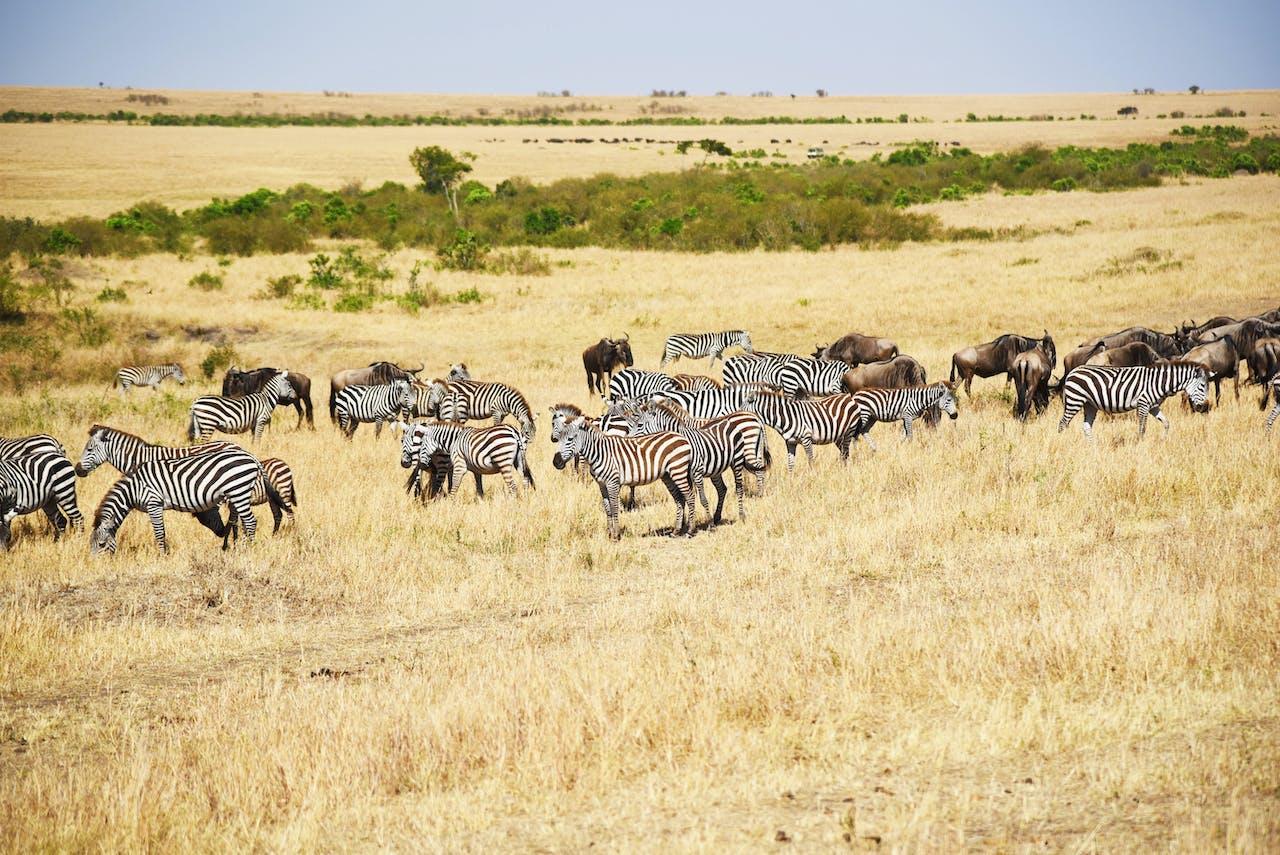
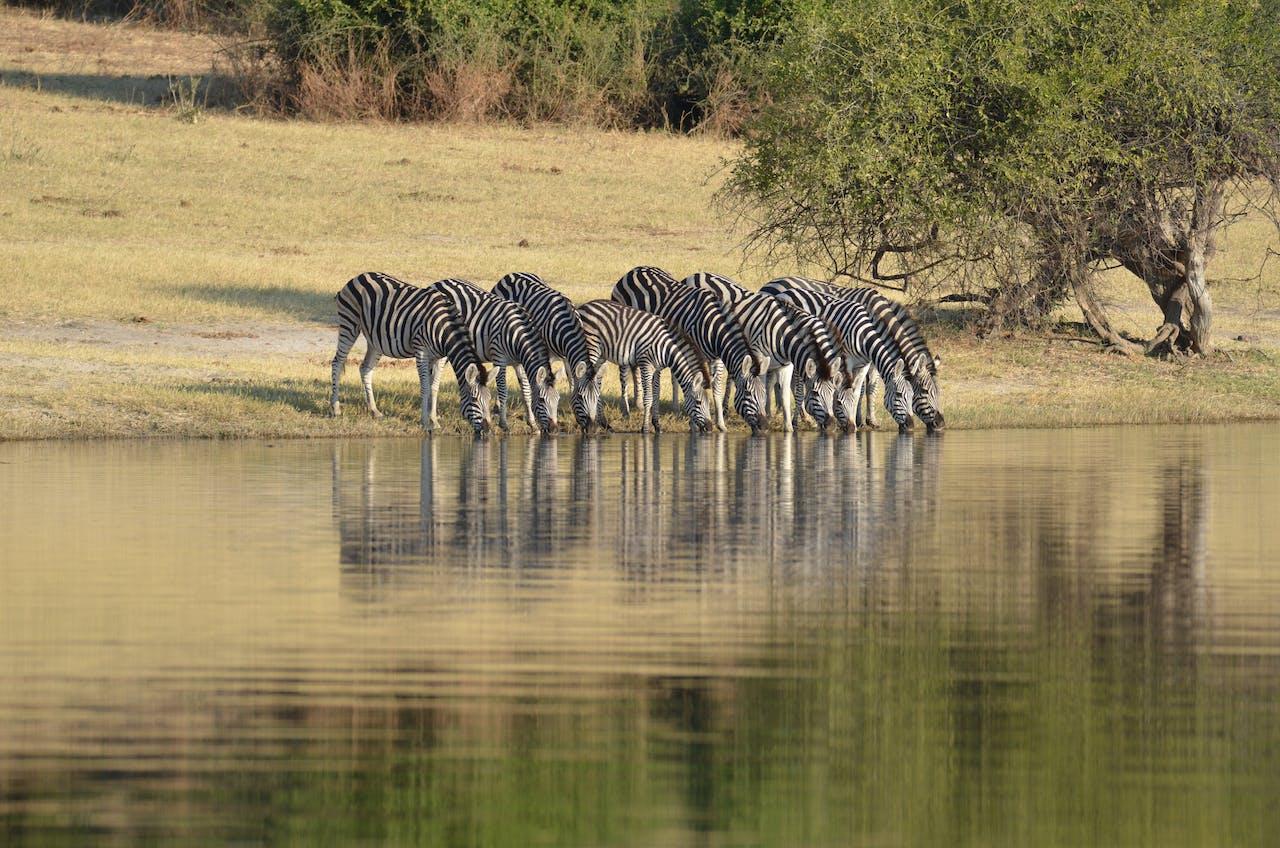
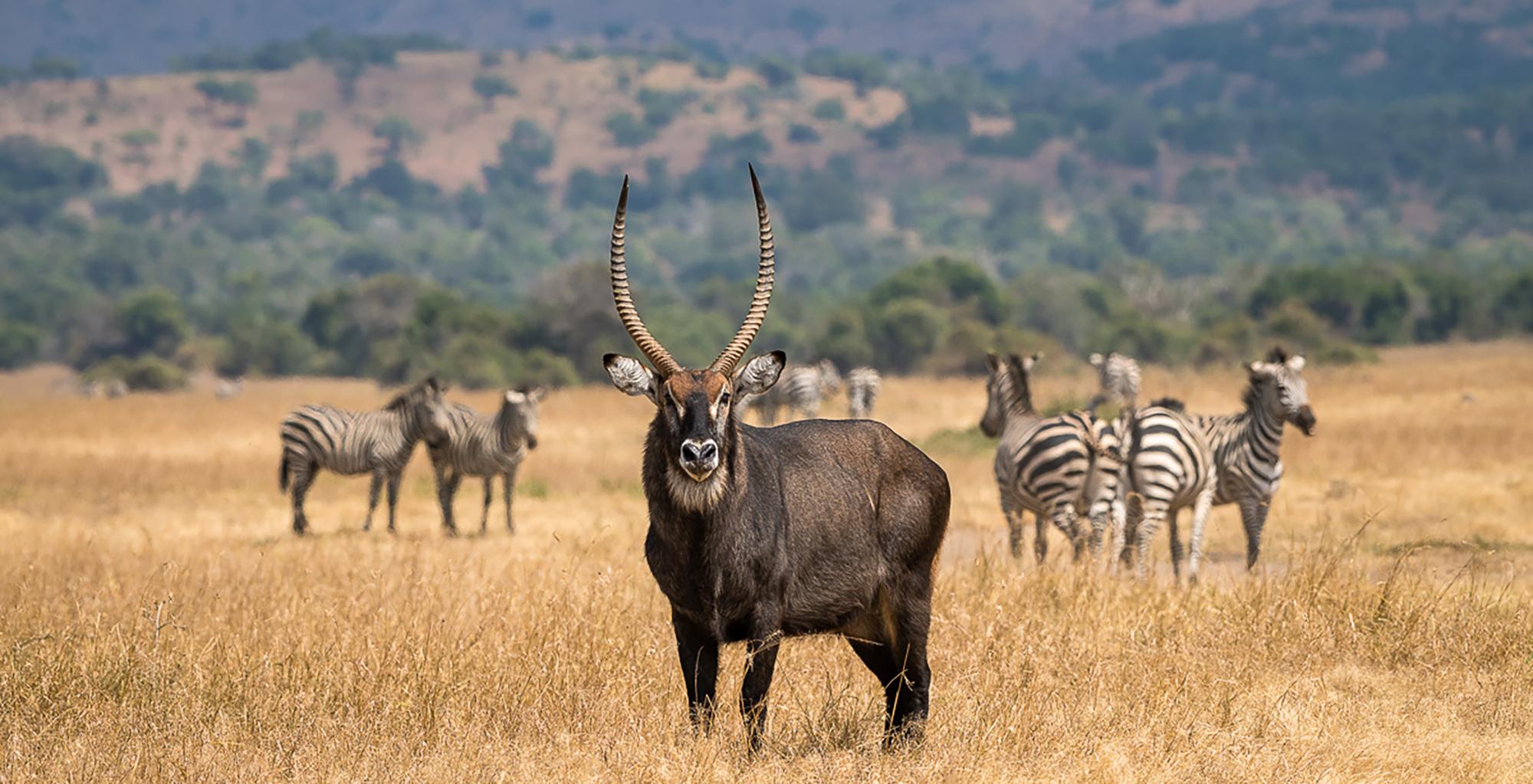
For classic African safari experiences, Akagera National Park on Rwanda's eastern border with Tanzania delivers in spectacular fashion. The relatively warm, low-lying plains of Akagera encompass savannah, woodland, wetland, and a chain of beautiful lakes. In a remarkable conservation success story managed in partnership with African Parks, lions were reintroduced in 2015 (and their numbers have since doubled) and rhinos have also been brought back, making Akagera one of the few places in Central Africa where visitors can now see the Big Five — lion, leopard, elephant, buffalo, and rhino. The park is also home to hippos, giraffes, zebras, crocodiles, and over 500 bird species. Boat trips on Lake Ihema offer a serene way to spot wildlife along the shores.
5. Lake Kivu
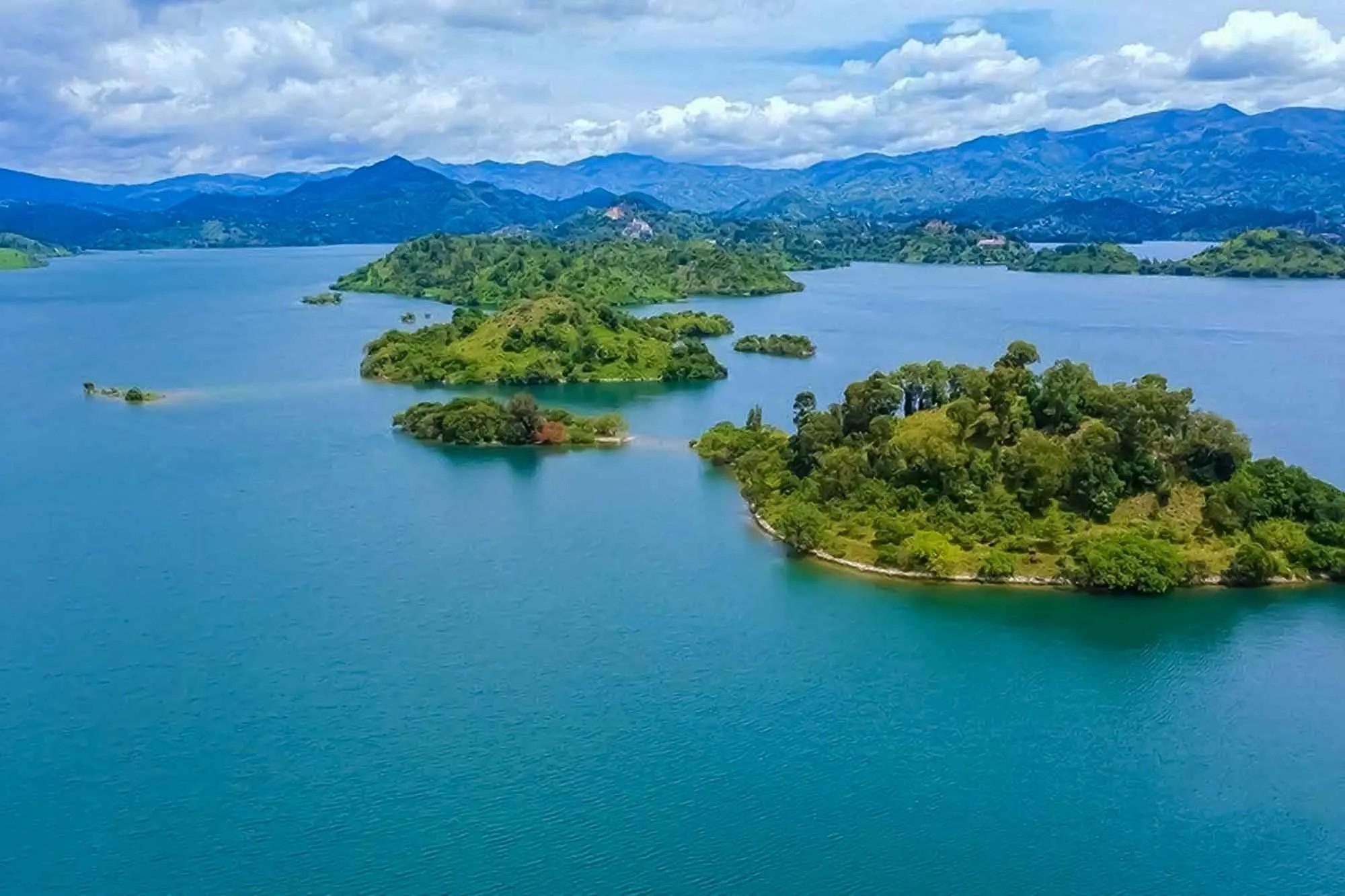
Stretching along Rwanda's western border with the Democratic Republic of Congo and part of Africa's Great Rift Valley, Lake Kivu is one of the continent's most beautiful and unique lakes. Dotted with islands and inlets along its scenic shoreline, the lake offers charming beach resorts, spectacular vistas, and a range of outdoor activities. Visitors can explore the coastline by kayak, immersing themselves in the stunning mountainous backdrop from the tranquility of the water. Hiking and cycling trails wind along the shores and into the surrounding hills. The lakeside towns of Rubavu (Gisenyi) and Karongi (Kibuye) are popular retreats, offering red sandy beaches, warm clean water, and an easygoing tropical character. Lake Kivu is also known for its dissolved methane gas — a natural curiosity and a growing source of energy for Rwanda.
6. Musanze (Ruhengeri)
The gateway city to Volcanoes National Park, Musanze is a hassle-free and buzzing destination in its own right. Located in northern Rwanda, the city offers plenty of dining options, ATMs, vibrant nightlife, colorful markets, and artisanal crafts. Just outside the city lies Musanze Cave, the most popular of 52 caves in the Northern Province — its main entrance is cathedral-sized and home to a sizeable bat colony, making for an unforgettable adventure. The Sabyinyo Hiking Trail and other walks in the region offer breathtaking views of the volcanoes. Musanze serves as an excellent base for exploring not just the gorilla park but also the surrounding landscapes of the Virunga region.
7. Gishwati-Mukura National Park
Rwanda's newest and fourth national park, Gishwati-Mukura, is made up of two separate forest reserves — the larger Gishwati forest and the smaller Mukura forest. This park is a shining example of Rwanda's commitment to environmental restoration and responsible tourism. Once heavily deforested, the forests have been carefully rehabilitated and now harbor chimpanzees, golden monkeys, blue monkeys, L'Hoest's monkeys, as well as a host of bird species and smaller animals. The park offers guided chimp tracking, birdwatching, and nature walks, and is conveniently located between Lake Kivu and Volcanoes National Park, making it an ideal stop on a western Rwanda road trip.
8. Nyanza (King's Palace)
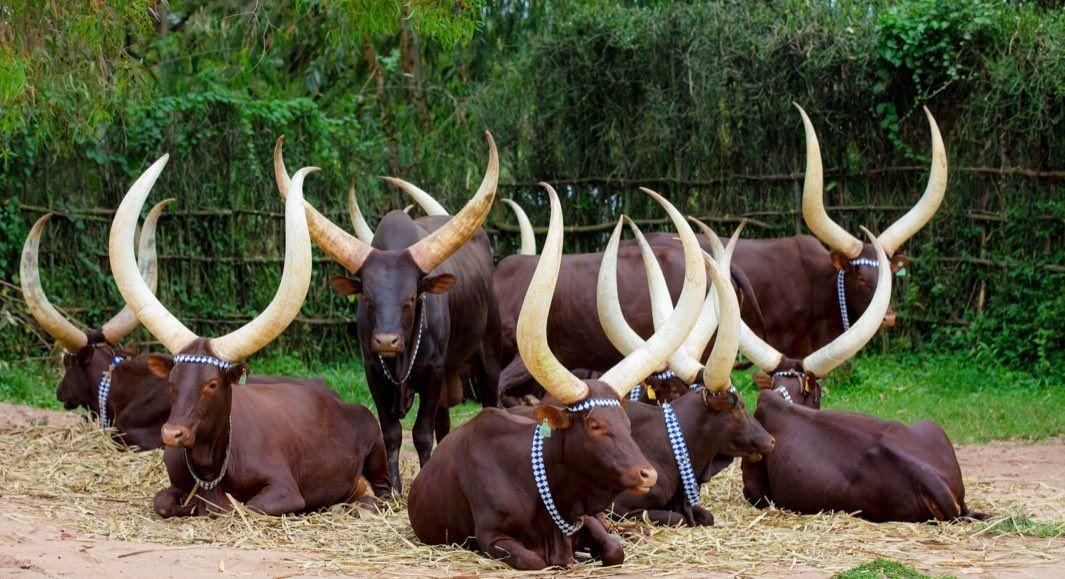
For a fascinating glimpse into Rwanda's rich royal history, the town of Nyanza in the south of the country is essential. It is home to a beautifully reconstructed King's Palace — a traditional royal residence crafted in the distinctive beehive shape characteristic of Rwandan architecture, skillfully built from natural materials including bamboo, grass, and wood. At the back of the palace grounds, a small herd of long-horned Inyambo cattle — descendants of the ancient king's herd — are carefully tended and sung to by their keepers, preserving a unique and deeply moving cultural tradition. The palace and its surroundings offer an authentic and intimate window into pre-colonial Rwandan civilization and the ancient Kingdom of Rwanda.
9. Huye (Butare)
Peaceful, compact, and intellectually vibrant, Huye (formerly known as Butare) is home to Rwanda's National University and is considered the country's academic and cultural heart. Founded in the early colonial era, the town today houses the remarkable Ethnographic Museum — also known as the National Museum — which contains perhaps the finest ethnographic collection in East Africa. Artifacts, tools, musical instruments, and artistic objects tell the story of Rwanda's people, history, and traditions spanning centuries. The museum is an essential stop for anyone wishing to understand the depth and richness of Rwandan culture. The town's relaxed atmosphere and academic character make it a refreshing contrast to the pace of Kigali.
10. Kibeho
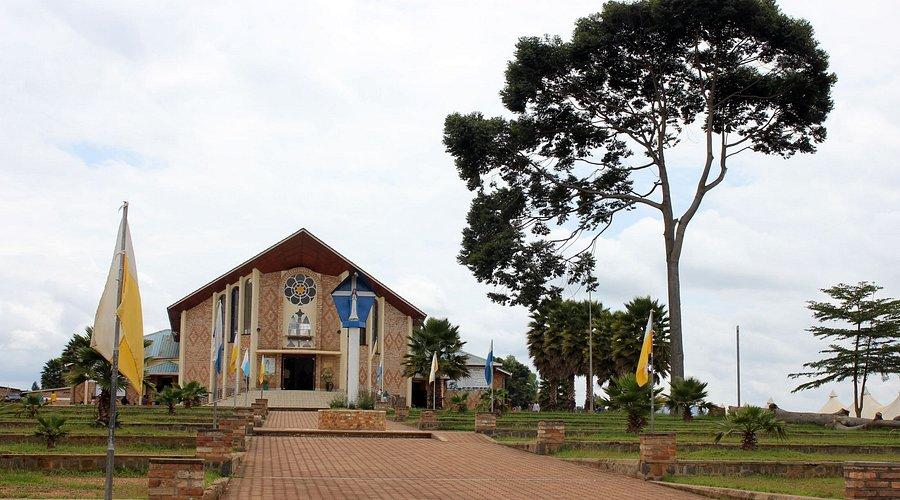
A place of profound spiritual significance, Kibeho Parish in southern Rwanda has been a major global pilgrimage destination for Roman Catholics since 1981, when the Virgin Mary is said to have appeared to a group of young students on November 28th of that year. The site has since been officially recognized by the Catholic Church and draws thousands of pilgrims from across Africa and beyond each year. The Chapel of Our Lady of Sorrows and the surrounding grounds have an atmosphere of deep reverence and peace. Even for non-religious visitors, the story of Kibeho and its place in Rwanda's history — including its role during the 1994 genocide — makes it a deeply moving and thought-provoking destination that speaks to the resilience and faith of the Rwandan people.
Final Thoughts
Rwanda is a country that defies expectations and captivates everyone who visits. From the misty heights of Volcanoes National Park to the serene shores of Lake Kivu, from the sobering history of Kigali to the ancient rainforests of Nyungwe, this small East African nation offers a richness of experience that is truly extraordinary. Rwanda's commitment to conservation, cleanliness, and sustainable tourism makes it not just a great destination but a responsible one. Whether you're drawn by the famous mountain gorillas, the stunning scenery, or the warmth of the Rwandan people, one thing is certain: Rwanda will leave a lasting impression on your heart.