The Amahoro National Stadium in Rwanda is undergoing a significant renovation and is set to be unveiled in the coming months. This renovation project aims to transform the stadium into an international standard facility that meets FIFA rankings. The Amahoro National Stadium opened in 1986 with a seating capacity of 25,000. However, the current renovation project has increased the seating capacity to 45,000, making it a larger and more modern sports facility, includes various features such as a main stadium with football turf, an indoor stadium, a Paralympic gymnasium, and training facilities for multiple sports like football, running, handball, volleyball, and beach volleyball. The renovation also encompasses the installation of safety and security control systems, hybrid surface technology, media broadcasting features, electronic ticketing systems, and athletics automated results monitoring systems.
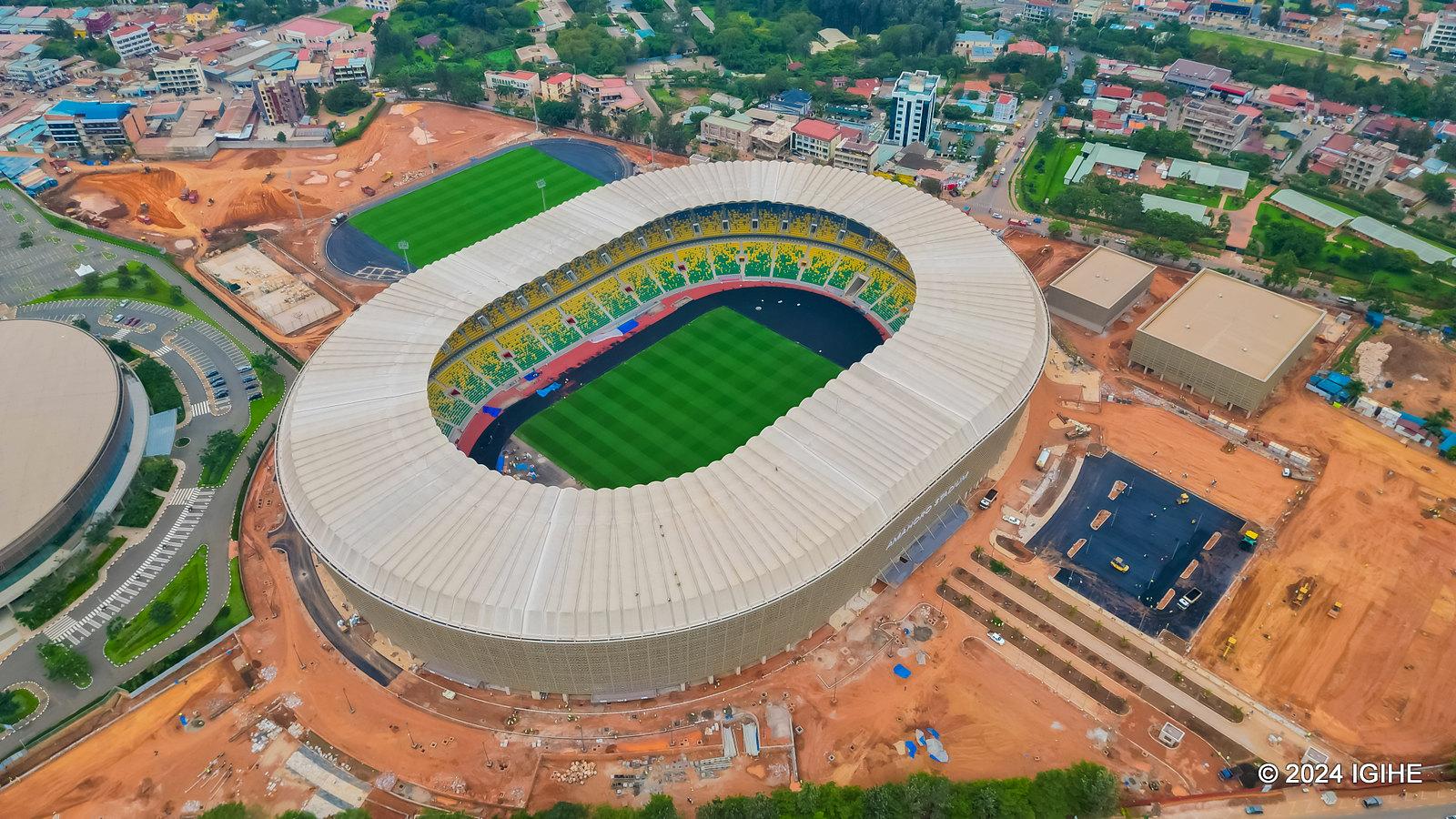
One of the key highlights of the renovation is the hybrid technology used in the pitch, combining artificial and natural grass. This innovative approach ensures that the pitch performs like natural grass during games while significantly reducing maintenance costs. Additionally, the stadium will feature VIP and media facilities to enhance the overall experience for spectators and media coverage.
The refurbished Amahoro National Stadium is expected to operate 24/7, offering a modern and versatile sports facility for various events and activities. The renovation project has been a significant endeavor, aiming to elevate the stadium to international standards and provide state-of-the-art amenities for athletes, spectators, and media alike.
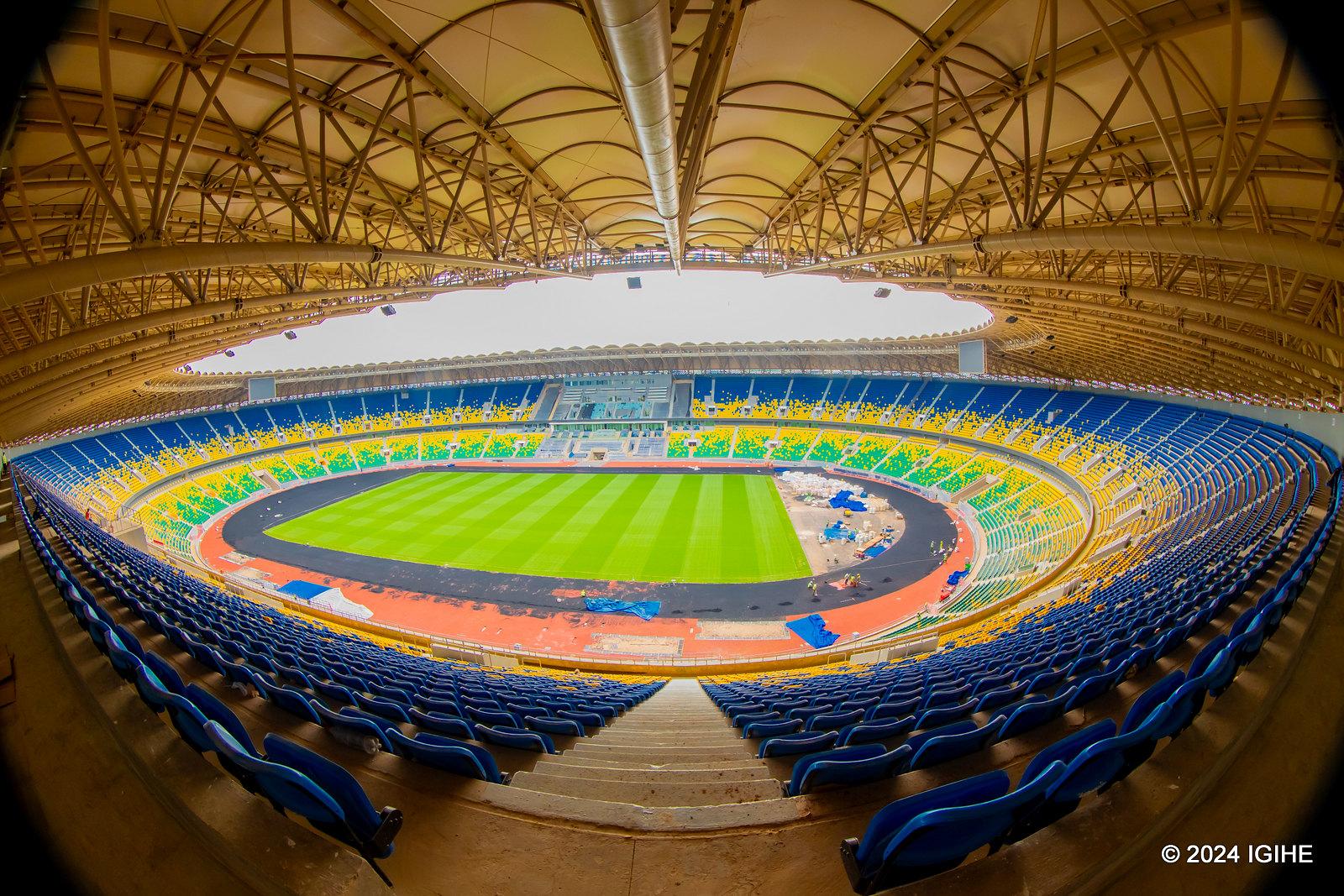
In conclusion, the renovation of the Amahoro National Stadium in Rwanda represents a remarkable transformation of a key sports facility in the country. With modern features, advanced technology, and a focus on meeting international standards, the stadium is poised to become a hub for sporting events and activities, contributing to the sports infrastructure and development in Rwanda.