The Nigerian national football team has made headlines by announcing a boycott of their upcoming match against Libya in the 2024 Africa Cup of Nations (AFCON) qualifiers. This decision stems from what the team claims is mistreatment and an extensive 12-hour delay at the Benghazi airport in Libya, which caused considerable frustration among the players and officials.
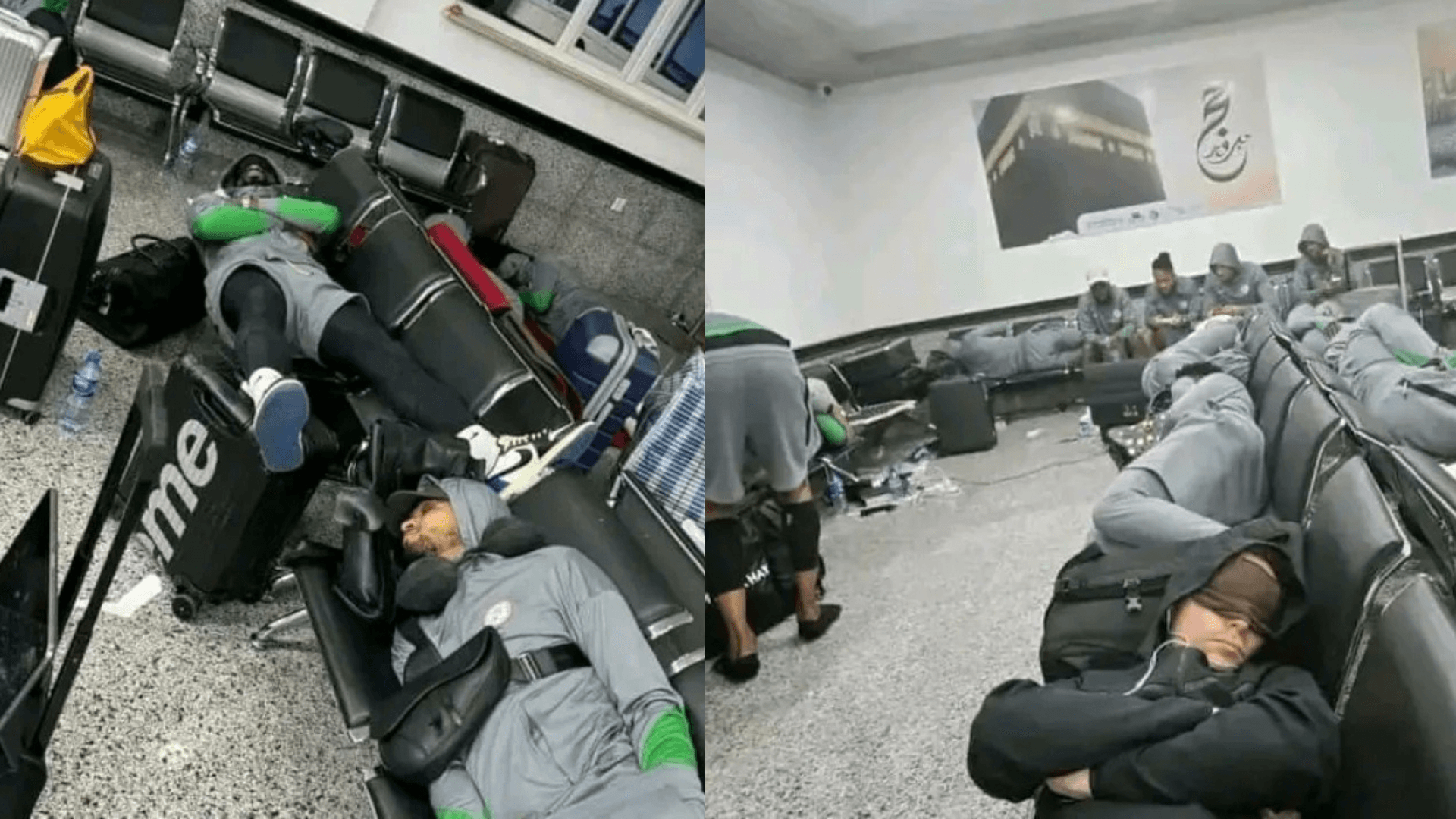
According to reports, the Nigerian squad endured an exhausting delay at the airport upon their arrival in Benghazi. The team was subjected to several inconveniences, including stringent checks and a lack of basic facilities, which heightened tension. The players and staff have expressed disappointment, stating that they were not treated with the respect and consideration deserving of a national team.
Reports from Middle East Monitor describe how the Nigerian players were kept waiting for over 12 hours, significantly affecting their morale. Such delays have sparked concerns about the impact on their health and readiness for the crucial AFCON match. The Nigerian team felt that the entire experience was an attempt to destabilize their preparations for the important fixture.
Following these events, the Nigerian Football Federation (NFF) made the decision to boycott the AFCON qualifier as a form of protest against their treatment in Libya. They cited unfair conditions and unprofessional handling of their arrival in Benghazi. The decision to take such a firm stand underscores the team's frustration and discontent.
Libyan officials, on the other hand, have not issued an official statement in response to these allegations. However, the situation is raising questions about the protocols in place for hosting international teams and ensuring that they are treated fairly during their travels.
This boycott has raised concerns about the implications for international sportsmanship, particularly in high-stakes tournaments like the Africa Cup of Nations. It also highlights the importance of ensuring that host countries provide the necessary facilities and respect for visiting teams to maintain the integrity of the competition.
The NFF's bold move could set a precedent for how teams respond to mistreatment in the future. For Nigeria, it is not just about this single match but a matter of standing up for the dignity and rights of athletes who represent their country on the global stage.